
How Much Does It Cost to Charge an Electric Car?
By EV Car Expert
Estimate home and public EV charging costs with EIA rate context, EPA efficiency math, and tips for used EV shoppers after federal credit changes.
Home charging is usually cheapest, but your tariff rules
Most EV miles in the United States are charged at home. Cost per mile equals kilowatt-hours per mile multiplied by your electricity rate. EPA ratings on fueleconomy.gov express efficiency in MPGe and often list kWh per 100 miles; use that figure for planning, then adjust for weather and speed. The U.S. Energy Information Administration publishes average residential electricity prices by state (eia.gov). California rates are typically higher than the national average, which raises home charging costs even for efficient cars. Time-of-use plans can cut EV charging expense if you charge overnight off-peak. Check your utility's EV or TOU tariff rather than assuming the headline residential average applies at dinner time when many households peak.
A transparent monthly estimate you can recalculate
Example method you should personalize: 1,000 miles per month divided by 100, times 30 kWh per 100 miles, equals 300 kWh. At $0.30 per kWh that is about $90 per month. An equivalent gasoline car at 30 mpg and $4.00 per gallon would use about 33 gallons, or roughly $132, for the same miles. EV Car Expert vehicle reports use a transparent national-rate style estimate for education; always recalculate with your utility rate and real efficiency. Cold weather, high speed, cabin heating, and roof cargo can raise kWh per mile versus the EPA label. The DOE AFDC and OEM manuals document seasonal range impacts. Track a month of home charging on your utility app after purchase to replace estimates with your own baseline.
Public DC fast charging: convenience premium and idle fees
Public DC fast charging is priced per kWh, per minute, or via membership, and is almost always more expensive than home charging. Network pricing pages from Electrify America, EVgo, Tesla Supercharging for eligible vehicles, and others publish rates that vary by market and time of day. Idle fees after a session completes can add cost if you leave the car plugged in. For used EV shoppers, include how often you will need public fast charging in the total cost of ownership. A Bolt EV that mostly home-charges can be cheaper to operate than a long-range crossover that road-trips weekly on DC fast networks even if the crossover's sticker looks similar. Membership plans only pay off if your monthly public kWh volume is high enough; do the math before you subscribe.
Hardware costs: Level 2 installation versus Level 1
Level 1 charging at 120 volts works for low daily miles but is slow. Level 2 at 240 volts typically requires a dedicated circuit; installation cost varies widely with panel capacity, run length, and permitting. The DOE AFDC notes that home charging equipment and installation costs depend on existing electrical service. Get a licensed electrician quote before assuming a particular used EV is plug-and-play. Apartment and HOA living may limit options, so factor workplace charging or reliable public Level 2 into the purchase decision. Portable Level 2 units still need a correct outlet and breaker. Never use damaged cords or unapproved adapters.
Workplace, multifamily, and travel charging strategies
If home charging is unavailable, map workplace chargers, nearby public Level 2 overnight options, and the DC fast corridors you actually drive. PlugShare and network apps help with live availability, but verify pricing in-app because displayed rates change. For travel, plan charging stops with buffer time and know whether your used EV's inlet is CCS, NACS, or needs an adapter for the year you are buying. Charging standards have been transitioning; confirm what the specific VIN includes rather than assuming every 2023-plus EV shares the same inlet.
How charging costs interact with used purchase price
A lower asking price on a less efficient or slower-charging EV can be erased by years of expensive public charging. Paying more for an efficient model you can charge at home overnight may win on total cost. Use EV Car Expert price hubs to avoid overpaying on the vehicle itself, then stack charging math on top. After the September 30, 2025 federal used clean vehicle credit acquisition cutoff described by the IRS, fewer shoppers will see a federal tax credit offset at purchase, which makes honest operating-cost estimates even more important. Compare two finalists not only on Deal Score but on estimated monthly charging under your real tariff.
Worked comparison for two finalists
Suppose Candidate A asks $19,500 and needs public DC fast charging twice a week, while Candidate B asks $23,000 but charges at home on a TOU rate. Even if Candidate A looks cheaper on sticker and maybe on Deal Score, Candidate B can win over three years once you add public session premiums, idle fees, and time costs. Build a simple spreadsheet: purchase price, expected three-year charging, tires, insurance delta, and remaining warranty value. The live snapshot tables in this guide show asking-price context for inventory currently in our database so you are not negotiating from national listicles alone.
Seasonal and speed effects you should budget for
Highway speeds and cold weather reduce efficiency versus EPA mixed ratings. The DOE AFDC and OEM manuals describe how cabin heating and battery conditioning consume energy. If your commute is mostly 75 mph freeway in winter, your kWh per 100 miles can rise enough to matter over a year. Budget a sensitivity case at 20 to 30 percent higher energy use for winter months rather than assuming the label holds every day.
Comparing public networks without anecdotal rage posts
Use the network's own pricing page for your metro, note membership versus guest rates, and include idle fees. Anecdotes on forums are not a rate sheet. For used Teslas, confirm whether the vehicle is eligible for Supercharging and what the per-kWh rate is in your area. For CCS vehicles, compare Electrify America and EVgo guest rates near your routes. Revisit rates annually because public pricing changes.
Solar and off-peak strategies as optional multipliers
Home solar can lower effective charging cost, but system production varies by roof and climate. Pair solar guidance with a real installer quote rather than a social media panel count. Even without solar, shifting charge sessions to off-peak TOU windows is often the highest-ROI behavior change. See also our solar panels for EV charging guide for sizing context, and keep vehicle purchase comps anchored on EV Car Expert hubs.
Apartment dwellers and the true cost of dependence on public charging
If you lack dedicated home charging, model a month where most energy comes from public Level 2 or DC fast charging. Include membership fees, parking time, and the risk of broken stalls. Sometimes paying more for a condo with an assigned charger or choosing a workplace that offers free Level 2 is worth more than shaving two thousand dollars off the car price. Use EV Car Expert comps to keep the vehicle price honest while you solve the charging location problem separately.
Fleet and used-market implications for private buyers
Former fleet or rental EVs may have different charging histories than privately owned cars. Ask about prior use. High DC fast-charge frequency is not automatically disqualifying, but it should influence your offer when combined with weak indicated range. Pair that judgment with hub medians so you are negotiating from market data rather than fear.
A final charging budget template
Write five lines: home rate per kWh, expected monthly miles, kWh per 100 miles from EPA or your logged average, public kWh share percent, and public rate per kWh. Compute home cost and public cost separately, add membership fees, and compare to your gasoline baseline. Revisit after 30 days of ownership with real utility data. Keep vehicle purchase comps on EV Car Expert so the car price and the energy price are optimized together rather than in isolation.
Charging cost sources
EIA residential electricity price data (eia.gov). EPA / fueleconomy.gov efficiency labels. DOE Alternative Fuels Data Center charging pages. Utility TOU and EV rate schedules for your address. Public network pricing pages for DC fast charging. IRS guidance on clean vehicle credit timing for purchase economics context. EV Car Expert hubs for live asking prices on allowlisted used EVs.
Live market snapshot
From active EV Car Expert inventory. Not a formal appraisal.
- Active listings
- 12
- Median price
- Price on request
- Median miles
- —
- Price range
- —
Example live listings

$42,109
~$613/mo est.
$44,009
28,811 mi
Last seen Nov 13
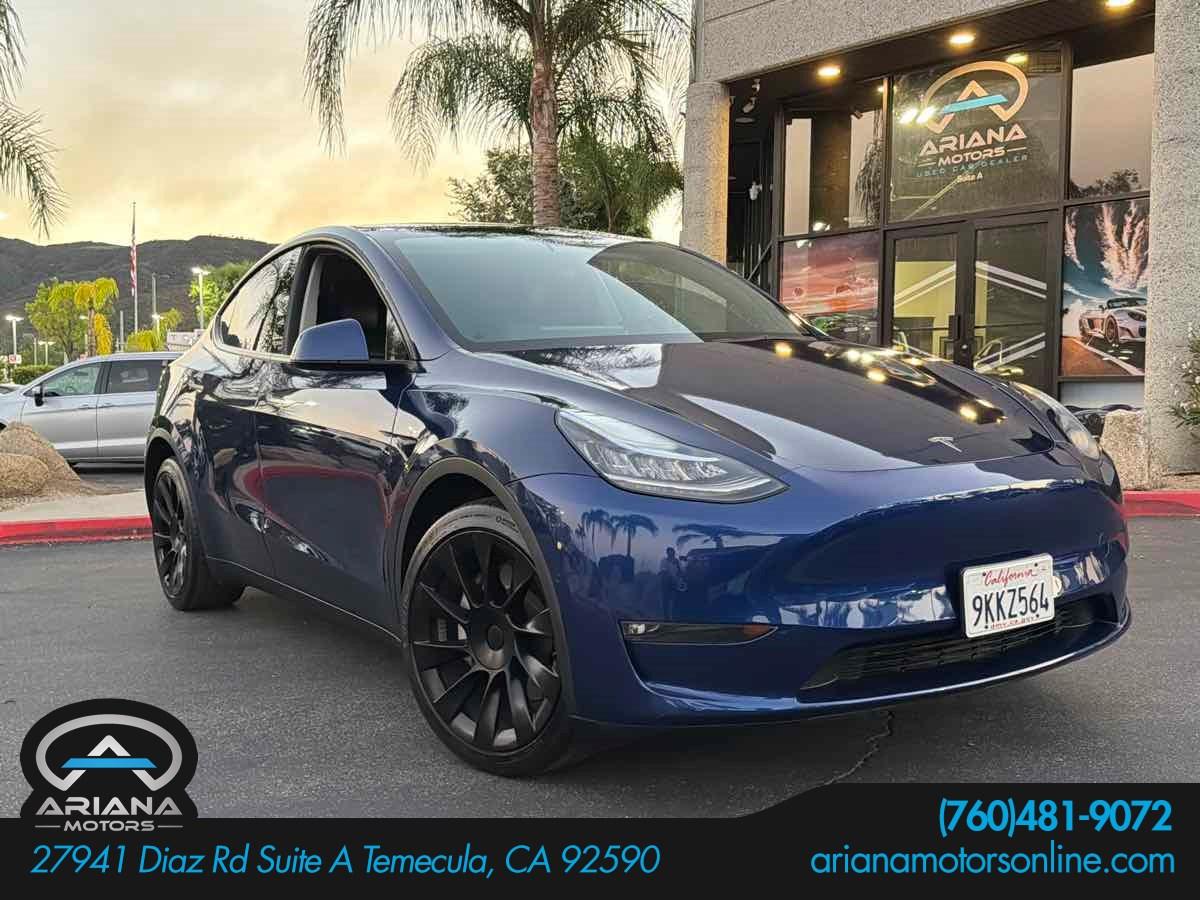
$25,137
~$333/mo est.
47,566 mi
Last seen Nov 13
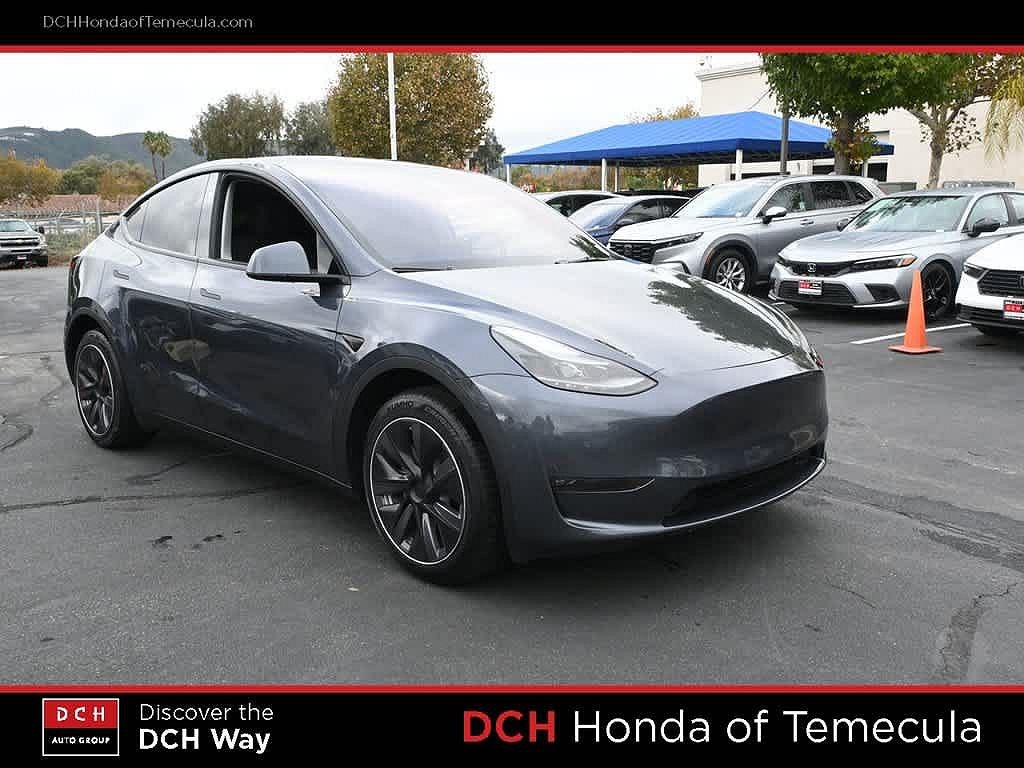
$27,593
~$373/mo est.
24,915 mi
Last seen Nov 13
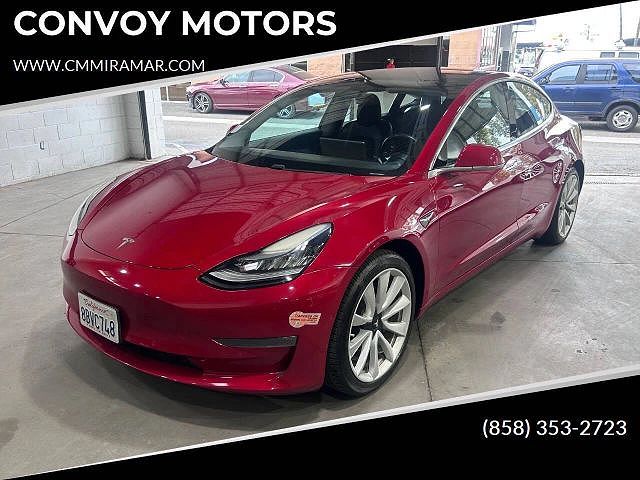
$17,995
~$215/mo est.
63,829 mi
Last seen Nov 13
FAQ
- Is home charging cheaper than gas?
- Often yes on a per-mile basis, but it depends on your utility rate and the car’s kWh/100 miles. Recalculate with your EIA state average or exact tariff — not a national headline alone.