
EV Tax Credits & Incentives for Used Buyers (2026)
By EV Car Expert
IRS guidance on the Previously-Owned Clean Vehicle Credit ending for acquisitions after September 30, 2025, plus how to shop used EVs when federal credits no longer apply.
Federal used EV credit status — verify on IRS.gov
According to the Internal Revenue Service, the Previously-Owned Clean Vehicle Credit under IRC section 25E is not available for vehicles acquired after September 30, 2025. The IRS Used Clean Vehicle Credit page states this update clearly and explains that acquired generally means a written binding contract plus a payment, including a nominal down payment or trade-in, by that date, with the vehicle placed in service when you take possession. If you take possession after September 30, 2025, you are eligible only if you acquired the vehicle on or before that date under those rules. Always confirm against current IRS publications and Form 8936 instructions because tax law summaries on blogs can lag. EV Car Expert is not a tax advisor; this guide summarizes publicly posted IRS guidance so shoppers do not rely on outdated dealer marketing.
What the used credit required when it was available
For qualifying acquisitions on or before September 30, 2025, the IRS described a credit equal to the lesser of $4,000 or 30 percent of the sale price for eligible previously owned clean vehicles purchased from a dealer, with a sale price of $25,000 or less, gross vehicle weight rating under 14,000 pounds, sufficient battery capacity, and other statutory tests including model-year timing and first-transfer rules. Income limits and once-every-three-years rules also applied. Seller reporting through IRS energy credits online processes was required for eligibility. Because this guide is published after the acquisition cutoff for new deals, treat historical eligibility rules as background for late closings and tax filing for 2025 purchases, not as a promise for cars you buy tomorrow.
New clean vehicle credit timing
The IRS likewise states that the New Clean Vehicle Credit under section 30D and the Qualified Commercial Clean Vehicle Credit under section 45W are not available for vehicles acquired after September 30, 2025, with the same acquisition and placed-in-service framework described in IRS FAQs for Public Law 119-21 modifications (FS-2025-05). Shoppers comparing new versus used should not assume a federal credit will offset MSRP or used asking price for post-cutoff acquisitions. Instructions for Form 8936 (2025) repeat the after-September-30-2025 acquisition restriction for clean vehicle credits.
State, utility, and HOV benefits still matter
Federal credit sunsets do not automatically end state rebates, utility charger incentives, or HOV lane access programs. California's Clean Vehicle Rebate Project historically had waitlists and eligibility rules that changed over time; check current CARB or CVRP materials rather than old articles. Utility Level 2 charger rebates vary by provider. HOV access stickers or decals have separate application processes. None of these replace a fair purchase price. Use EV Car Expert Deal Scores so you do not overpay while waiting on a rebate that may not apply. Always read the current program handbook for income caps, vehicle type rules, and stacking limits.
How to shop used EVs after the federal credit sunset
Focus on asking price versus local comps, remaining battery warranty, and charging costs. Price-band hubs under $20,000 and $25,000 and model-year pages show what buyers are actually listing in our database. Be wary of seller marketing that still advertises up to $4,000 federal used EV credit for a car you would acquire after September 30, 2025; that claim conflicts with IRS guidance for post-cutoff acquisitions. Ask sellers to remove outdated credit language from worksheets. Recalculate affordability without the credit and decide whether the car still fits.
Dealer worksheets and common confusion points
Some worksheets still show a federal credit line item because templates were not updated. Cross out unverified credits before you sign. Confirm whether any remaining incentive is a state or utility program with a separate application you must complete yourself. Clarify whether a dealer is offering an instant rebate that is actually a dealer discount rather than a transferable tax credit. Keep copies of every worksheet version. If a deal only works with a federal used credit after the IRS cutoff for your acquisition date, it does not work.
Practical next steps on EV Car Expert
Browse under-$25,000 and under-$20,000 hubs for cars that pencil without federal credits. Open brand and model hubs for median asking prices from our nightly snapshot. Use the charging costs guide and battery degradation guide to pressure-test total cost. Analyze a VIN if you found the car elsewhere. For tax questions about a 2025 acquisition that may still qualify under IRS timing rules, consult a tax professional and the primary IRS pages cited below.
How acquisition timing works in plain language
IRS FAQs for the 2025 energy credit modifications explain that acquisition for sections 25E, 30D, and 45W is the date a written binding contract is entered and a payment is made, including a nominal down payment or trade-in. Placed in service is when you take possession. A contract signed after September 30, 2025 does not qualify for those federal clean vehicle credits under the IRS update. If your facts are unusual, ask a tax professional and rely on IRS primary sources rather than dealer verbal assurances.
Income limits and transfer rules were never universal
Even when the used credit was available, AGI caps and the rule against claiming another used clean vehicle credit within three years applied. Nonrefundable credit treatment meant some buyers could not use the full amount. Transfer-at-point-of-sale options depended on dealer participation and timing. Those historical details still matter for 2025 returns but should not be marketed as available for post-cutoff acquisitions.
Building a no-credit purchase plan
Assume zero federal vehicle credit. Choose a car whose payment, insurance, and charging costs fit that assumption. Use under-$25,000 inventory hubs, confirm battery warranty, and ignore worksheets that insert a $4,000 federal used credit after the IRS acquire-by date for your deal. If a state rebate still exists, treat it as contingent until approved in writing by the program administrator.
What to tell a salesperson who insists the federal used credit still applies
Politely ask them to show the current IRS Used Clean Vehicle Credit page language about acquisitions after September 30, 2025. If they produce only an outdated flyer, decline to include the credit in your deal math. You can still buy the car; you just should not fund it based on a credit the IRS says is unavailable for post-cutoff acquisitions. Document the conversation in email when possible.
Recordkeeping if you believe you acquired on time in 2025
If your binding contract and payment occurred on or before September 30, 2025, keep the contract, payment proof, time-of-sale report, and Form 8936 materials. IRS FAQs emphasize acquisition versus placed-in-service timing. This is specialized; use a tax professional. Do not extrapolate your edge case into advice for buyers shopping after the cutoff.
Why EV Car Expert still shows under-$25k inventory prominently
Even without a federal used credit, the $25,000 band remains a natural shopping threshold for many households and was historically tied to credit rules. Our under-$25,000 and under-$20,000 hubs remain useful as price-discovery tools powered by listing data, not as credit eligibility checkers. Use them to find fair asking prices, then apply current IRS rules separately when someone claims a federal credit still applies to your acquisition date.
Summary for busy shoppers
If you are acquiring a used EV after September 30, 2025, do not budget a federal Previously-Owned Clean Vehicle Credit. Verify any state or utility incentive on the program's current page. Shop asking prices on EV Car Expert hubs as if no federal credit exists. Keep IRS links handy when a salesperson's worksheet disagrees. For edge-case 2025 acquisitions that may still qualify under IRS timing rules, talk to a tax professional and retain contract and payment proof.
Primary citations
IRS — Used Clean Vehicle Credit: https://www.irs.gov/credits-deductions/used-clean-vehicle-credit (not available for vehicles acquired after Sept. 30, 2025). IRS — Clean vehicle tax credits overview: https://www.irs.gov/clean-vehicle-tax-credits. IRS — FAQs for energy credit modifications under P.L. 119-21 (FS-2025-05). Instructions for Form 8936 (2025) regarding clean vehicles acquired after September 30, 2025. State and utility program pages for local incentives. EV Car Expert market hubs for asking-price context without assuming tax credits.
Live market snapshot
From active EV Car Expert inventory (stats date 2026-11-27). Not a formal appraisal.
- Active listings
- 245
- Median price
- $19,121
- Median miles
- 86,074 mi
- Price range
- $5,427 – $24,999
Example live listings
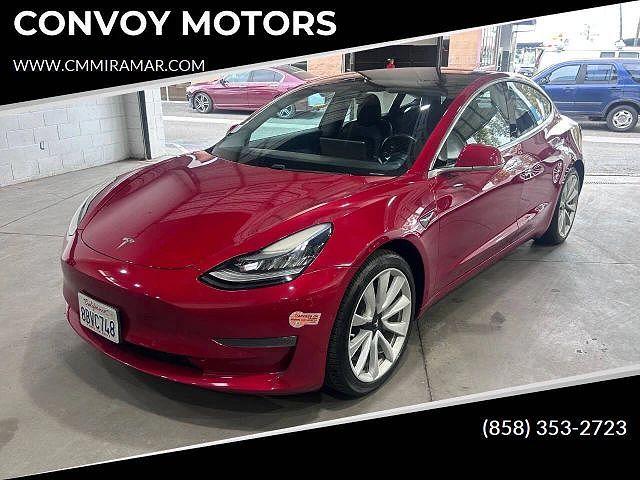
$17,995
~$215/mo est.
63,829 mi
Last seen Nov 13
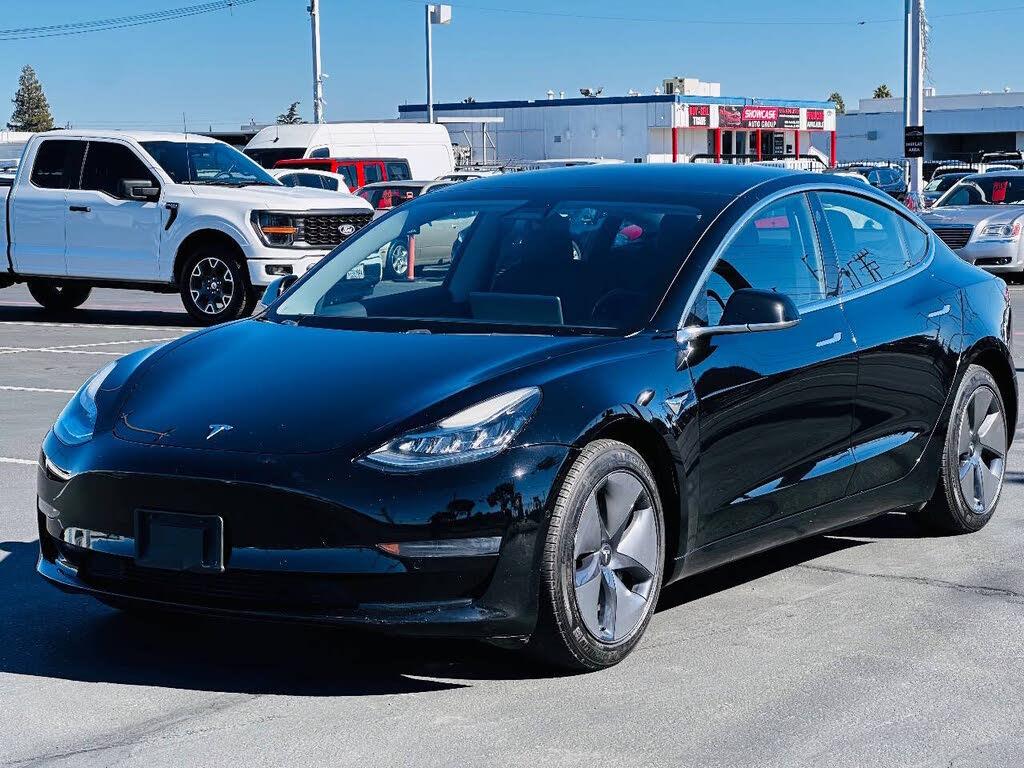
$14,990
~$165/mo est.
29,350 mi
Last seen Nov 13
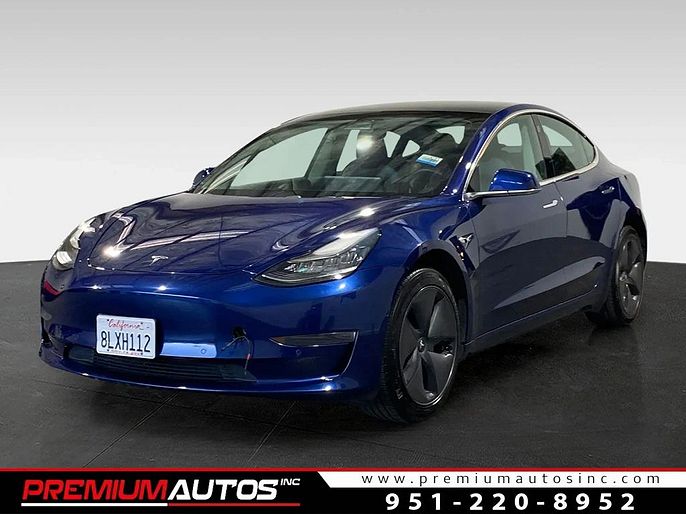
$13,580
~$142/mo est.
92,347 mi
Last seen Nov 13
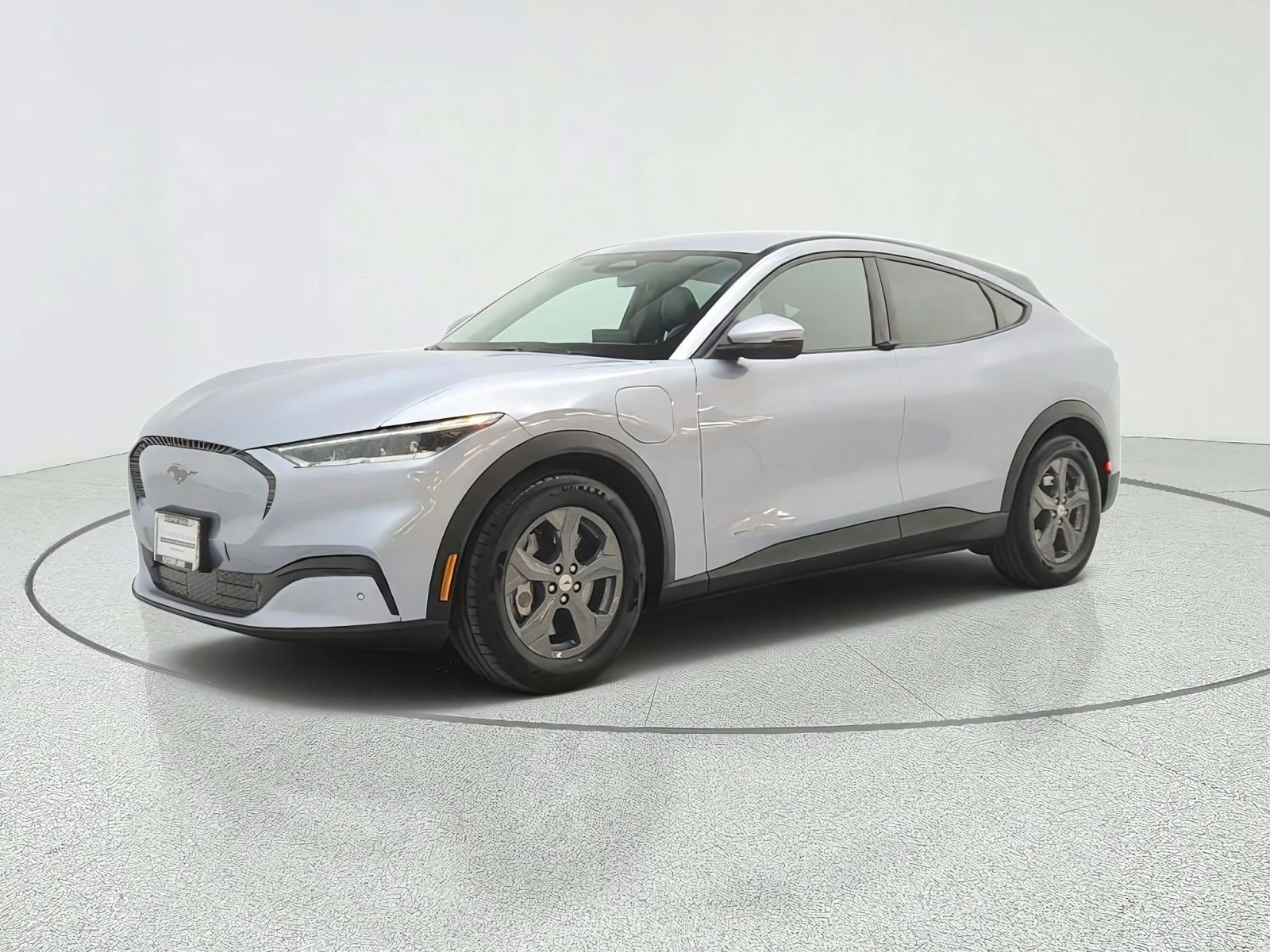
$23,014
~$298/mo est.
26,149 mi
Last seen Nov 13
FAQ
- Can I still claim the federal used EV tax credit?
- Per the IRS, the Previously-Owned Clean Vehicle Credit is not available for vehicles acquired after September 30, 2025. Confirm acquisition timing rules on IRS.gov before filing.