
Used EV Buying Checklist (2026)
By EV Car Expert
A practical checklist for buying a used electric car: charging access, VIN/recalls, battery warranty, negotiation, and paperwork — with live inventory links.
Define the job before you open a marketplace tab
Used EV shopping fails most often when buyers chase a bargain that does not match daily miles, home charging access, or cargo needs. Write down typical weekday miles, the longest regular trip, whether you can install or already have Level 2 home charging, and must-have features such as seating count, tow rating, or AWD. The U.S. Department of Transportation Federal Highway Administration's National Household Travel Survey has long shown that most personal vehicle trips are local; many drivers can cover commuting with modest battery packs if they charge overnight. If you cannot charge at home or work, prioritize models with stronger DC fast-charging performance and plan public charging costs using your utility rates and network memberships. A cheap long-range EV that you cannot charge conveniently may cost more in time and stress than a slightly pricier car that wakes up full every morning.
Search with price intelligence, not just the lowest sticker
Start on EV Car Expert model hubs, brand hubs, and price-band pages such as under $20,000 to see live asking-price medians from our inventory database. Sort by Deal Score to spot listings that look expensive relative to similar cars nearby. Cross-check the same VIN on the seller's site for fees, add-ons, and photo completeness. Marketplace stickers frequently exclude documentation fees. California and other states regulate some fees differently, so always request an out-the-door quote in writing before you travel. Use model-year pages when they are indexable (enough active listings) to see how a 2019 example prices versus a 2022 example of the same model. Thin inventory is a reason to widen radius, not a reason to ignore comps.
Verify identity: VIN, title status, and recalls
Match the VIN on the dash and door placard to the listing and to any report you purchase. Run NHTSA's VIN recall lookup and review open campaigns. Some used EVs, notably certain Chevrolet Bolt model years, had major battery recall work; completion documentation matters before you celebrate a low price. Confirm title brand (clean versus salvage or rebuilt) via a paid history report. EV Car Expert does not replace a full title and history product. For leased returns and CPO cars, ask what the certification inspection included and what warranty transfers to you. Photograph the odometer, charge port, tire date codes, and underbody covers during the visit so you have evidence if details change later.
Battery, charging hardware, and software entitlements
Confirm remaining battery warranty, onboard charger capacity, DC fast-charge capability, and whether adapters such as NACS or CCS hardware are included for the model year. For Teslas, clarify which Autopilot or FSD features transfer; Tesla support documentation states that some software features are account- or vehicle-tied and may require repurchase. For Hyundai, Kia, Ford, Rivian, GM, and others, verify online account transfer steps and any subscription features for connectivity or remote climate that affect day-one ownership. Ask whether the 12-volt battery was recently replaced — a weak 12V system can strand an otherwise healthy EV. Check tire age and brake condition because regenerative braking can leave service brakes underused until they corrode.
Inspect in person or hire someone who will
Photos miss curb rash, uneven tire wear, water ingress around charge ports, and interior wear. Check panel gaps, glass pitting, and evidence of prior bodywork. During a test drive, note one-pedal behavior, regen feel, HVAC noise, suspension clunks, and whether indicated range drops unusually quickly for the route. If you are buying sight-unseen from out of area, budget for a third-party inspector familiar with EVs. AI visual analysis on listing photos can flag visible concerns early but cannot certify structural integrity or battery health. Bring a Level 1 or portable charger only if you know it is compatible; otherwise use the seller's charging setup to observe charge-session behavior.
Negotiate with comps, then close with paperwork discipline
Bring screenshots of similar Deal Scores and model-year hub medians. Ask the seller to complete open recalls before delivery. Review the purchase contract for arbitration clauses, as-is language, and fee lines. Confirm registration incentives or HOV access rules with your state DMV because many programs change. Remember that the IRS states the federal Previously-Owned Clean Vehicle Credit is not available for vehicles acquired after September 30, 2025. After purchase, update the OEM account, set charging limits per the manual, enroll in any useful connected services, and schedule deferred maintenance. Keep a digital folder with the bill of sale, warranty screenshots, recall proofs, and inspection notes.
A one-page checklist you can print
1) Job definition and charging plan written down. 2) Hub comps and Deal Score reviewed. 3) VIN matched and NHTSA recalls checked. 4) Title brand reviewed via history report. 5) Battery warranty remaining confirmed. 6) Indicated range vs EPA label noted. 7) Software features and adapters confirmed. 8) In-person or third-party inspection completed. 9) Out-the-door price in writing. 10) Contract reviewed and recall work completed before funding. Use this list every time so fatigue does not skip a step on the third dealer visit of the day.
Financing, insurance, and registration pitfalls unique to EVs
Some lenders and insurers still price certain older EVs differently based on repair costs and parts availability. Get insurance quotes by VIN before you sign, especially for premium brands and trucks. Confirm that your lender accepts the vehicle's age, mileage, and title status. Registration fees in states like California can include weight or value components; ask your DMV or a registration service for an estimate. If you planned on a federal used EV tax credit to make the payment work, revisit the IRS acquisition cutoff after September 30, 2025 and re-run the budget without that credit.
Delivery day checklist
Before you fund, verify the VIN on the contract matches the car, confirm recall work is done, test that the charge port opens and the car accepts a charge, confirm key fobs and app access, and photograph four corners plus the odometer. Refuse delivery if the car differs materially from the agreement. After delivery, change connected-account passwords associated with the previous owner if the OEM process requires it, and store paperwork digitally.
Common scams and pressure tactics
Be skeptical of sellers who rush you to wire deposits before inspection, refuse VIN disclosure, or claim federal credits still apply to a post-cutoff acquisition without IRS-aligned timing. Cross-check prices against EV Car Expert hubs. If a deal is only available for the next hour, it is usually available tomorrow to someone else as well.
Compare at least three cars with a scorecard
Create a simple scorecard with columns for asking price, Deal Score, remaining battery warranty months, indicated range versus EPA label, open recalls, title brand, distance, and estimated monthly charging. Fill it for three finalists before emotional attachment sets in. Weight documentation quality heavily. A car that scores slightly worse on sticker but much better on warranty and recall completion usually wins. Revisit the scorecard after the test drive because subjective comfort still matters for daily ownership. Keep the filled scorecard with your purchase records so you remember why you chose the winner.
After you buy: first 30 days
In the first month, confirm all connected services work, save a baseline indicated range screenshot at a known state of charge, complete any deferred maintenance, and recheck that no new recalls appeared. Join the OEM's owner resources for software updates. If something feels wrong electrically or with charging, document it immediately while consumer protection windows may still help. Share useful lessons with yourself for the next car by updating this checklist with notes.
Checklist sources
NHTSA recall portal (nhtsa.gov). EPA fueleconomy.gov for official range ratings. DOE AFDC for charging and battery basics. IRS Used Clean Vehicle Credit page for federal acquisition deadlines. OEM owner manuals for warranty and charging guidance. FHWA National Household Travel Survey for typical trip-length context. EV Car Expert Deal Scores and market snapshots for local asking-price context from active listings in our database.
Live market snapshot
From active EV Car Expert inventory. Not a formal appraisal.
- Active listings
- 12
- Median price
- Price on request
- Median miles
- —
- Price range
- —
Example live listings
$42,109
~$613/mo est.
$44,009
28,811 mi
Last seen Nov 13
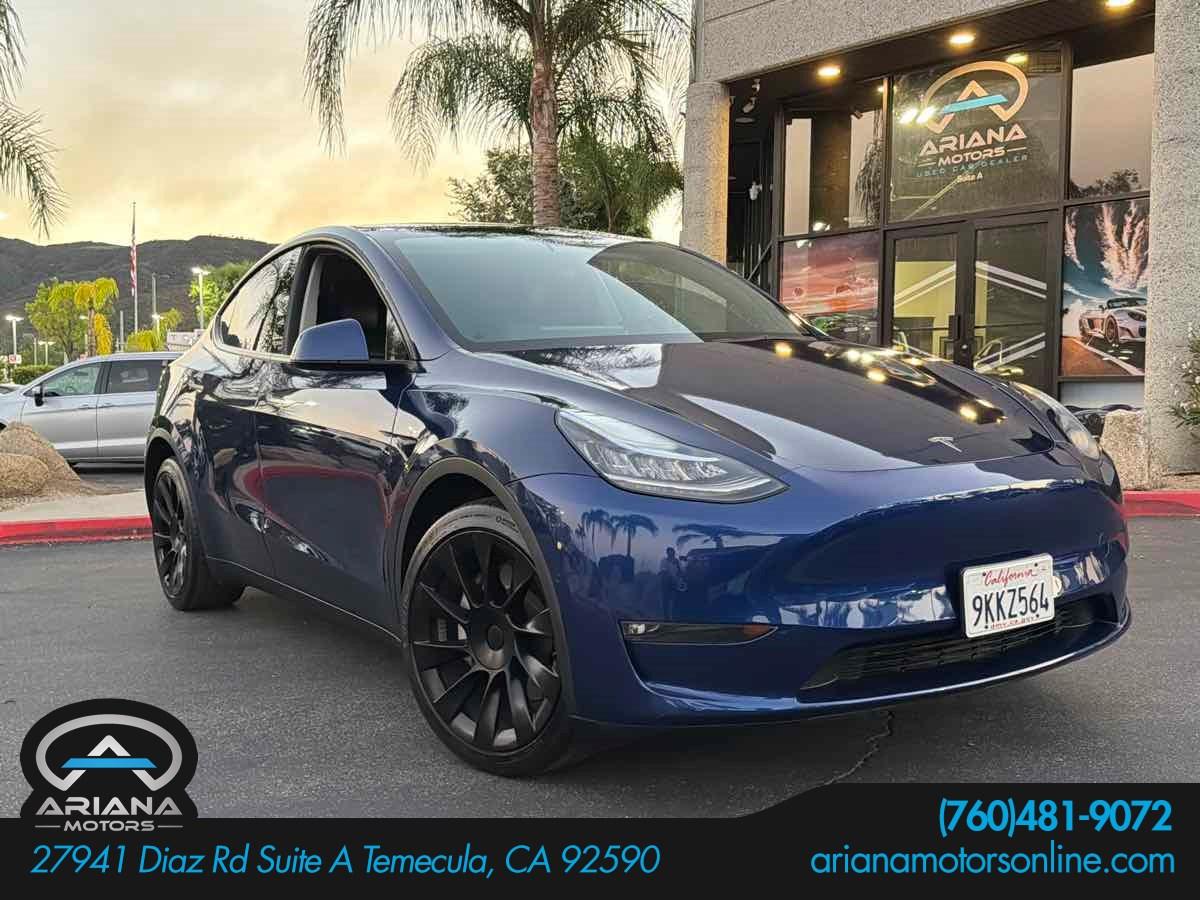
$25,137
~$333/mo est.
47,566 mi
Last seen Nov 13
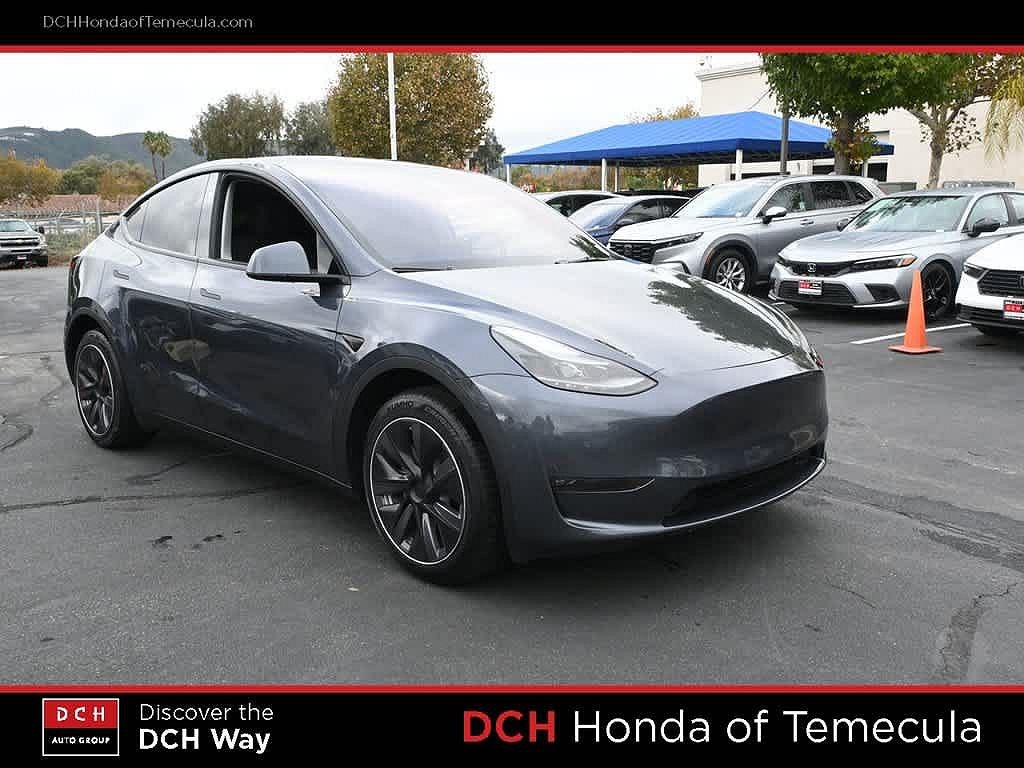
$27,593
~$373/mo est.
24,915 mi
Last seen Nov 13
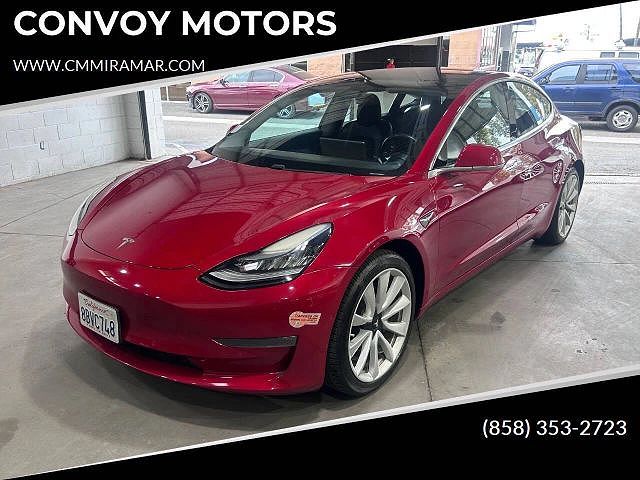
$17,995
~$215/mo est.
63,829 mi
Last seen Nov 13
FAQ
- What is the first thing to check on a used EV?
- Confirm the VIN, open recalls (NHTSA), and remaining battery warranty before you fall in love with the price.